Are you ready to transform a part of your yard from grass to a native garden? Or are you looking to remove invasive weeds from your property? Try sheet mulching!
Sheet mulching, also known as lasagna gardening or no-dig gardening, is a permaculture technique that smothers grass and weeds while building rich, organic soil. This process utilizes any cardboard you might have lying around the house, which is both inexpensive and an easy way to recycle!
Fall is a great time to try out sheet mulching to create a new garden bed for spring! You can also use this technique to clear an area of weeds and cover with mulch – such as around raised garden beds.
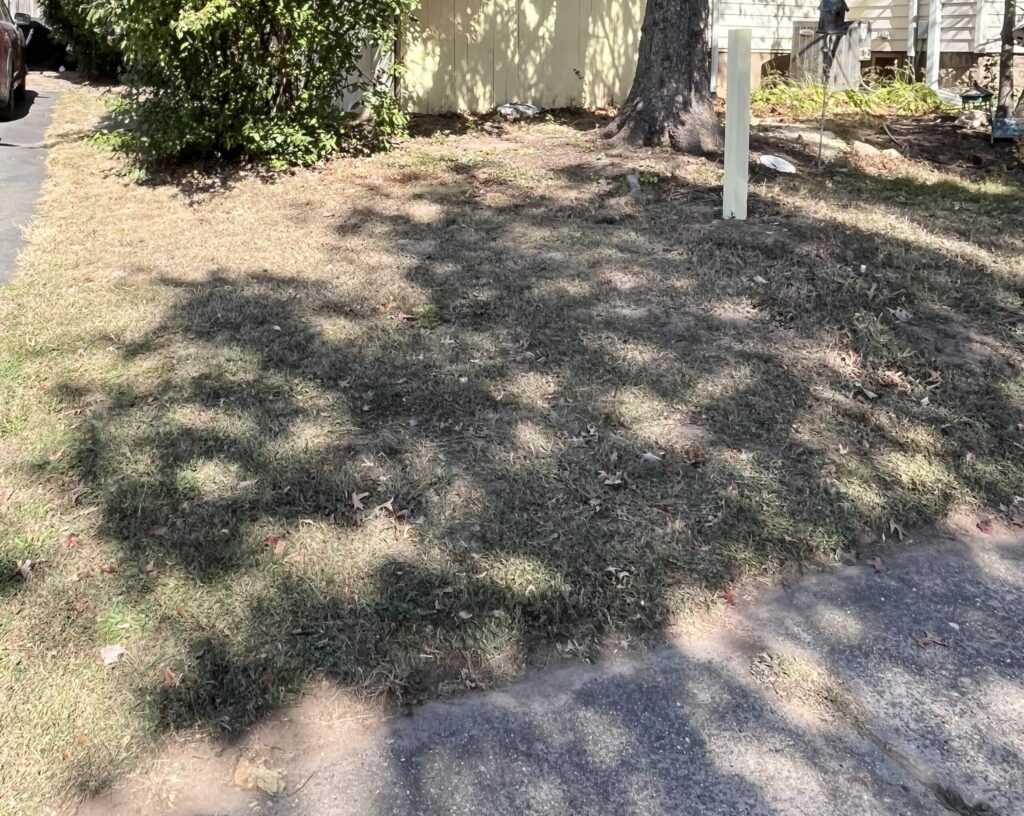
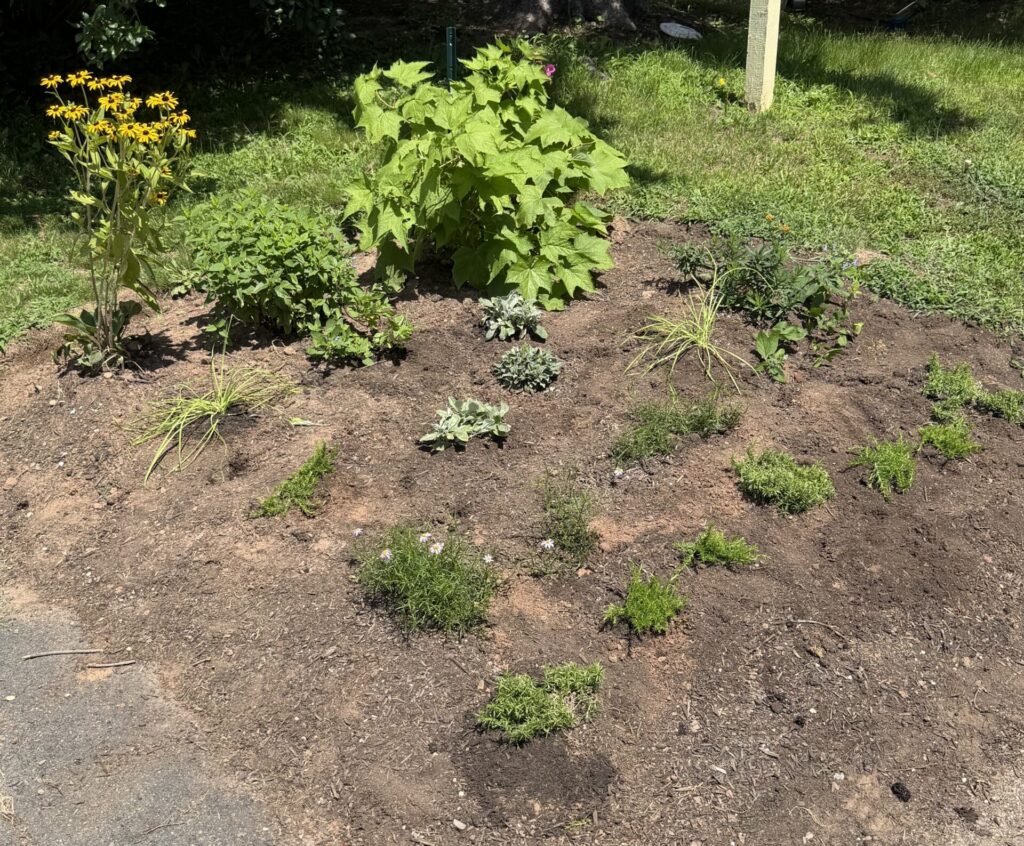
Lisa from SP has done this process twice now in her yard with great success.
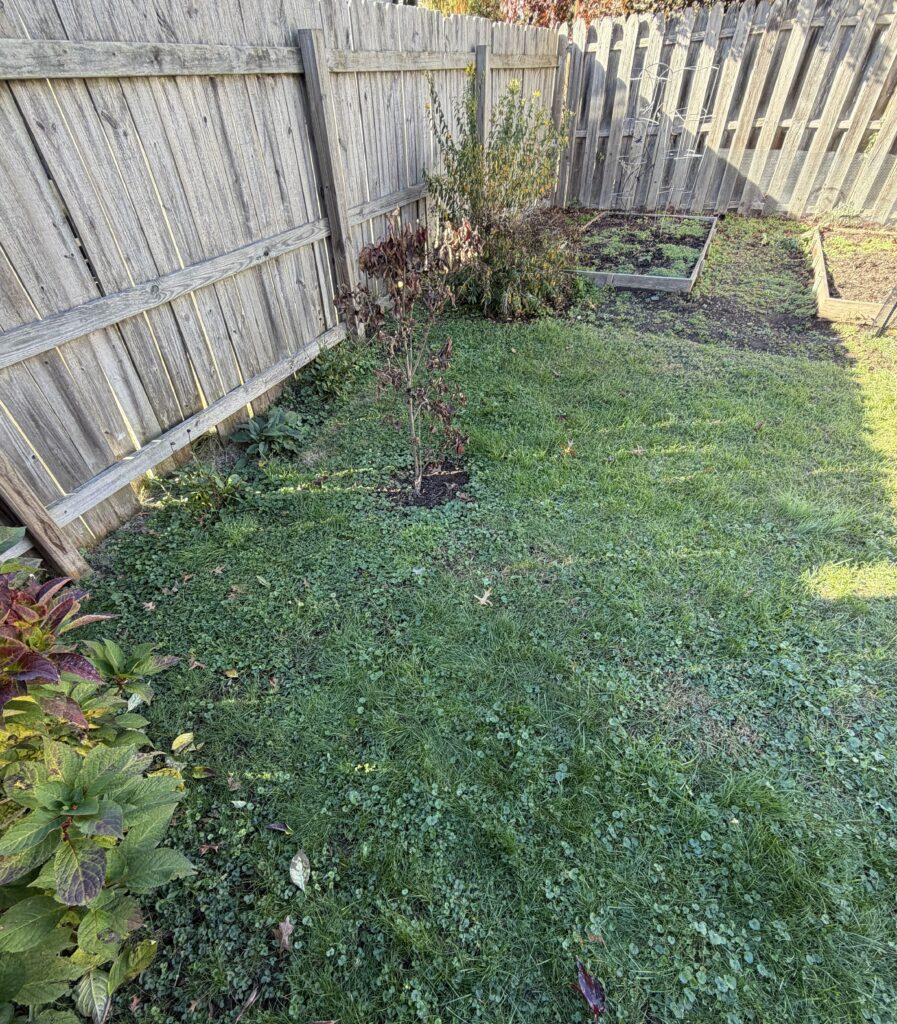
Lisa's first sheet mulching attempt
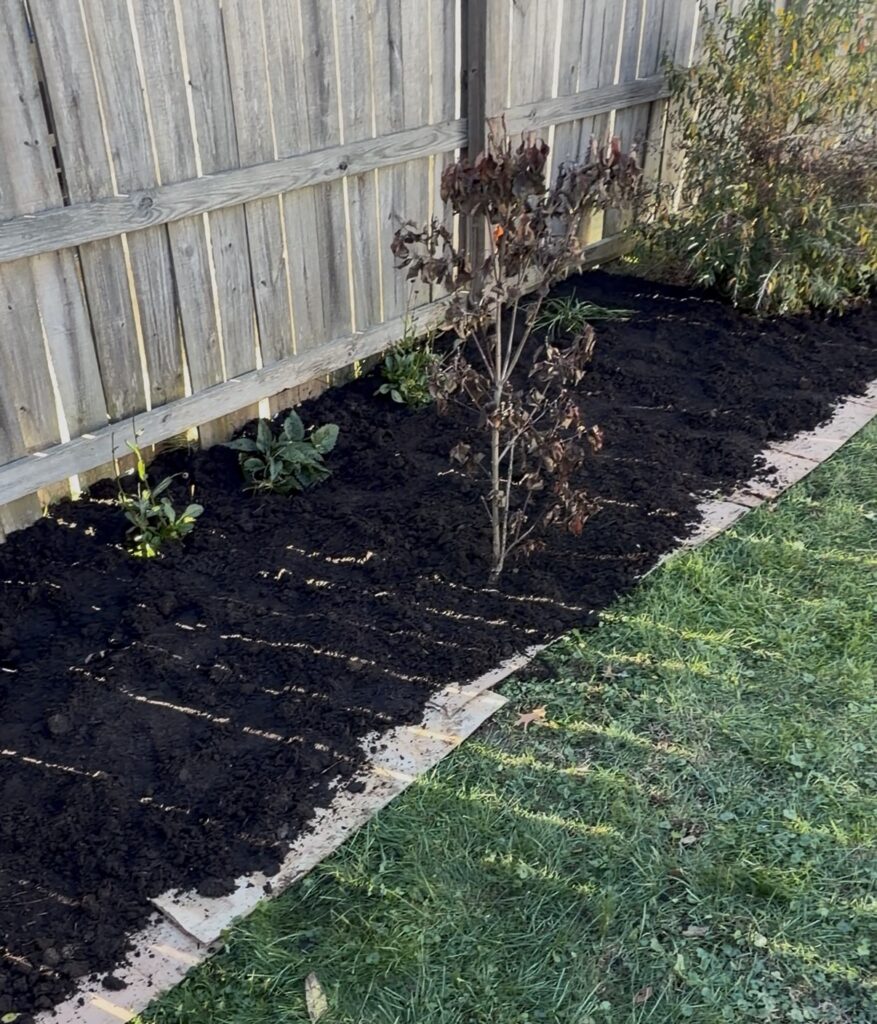
The final result with native plants!
Five Easy Steps:
1. Prep the area
Mow or cut down tall grass and weeds close to the ground, remove large rocks or debris. Water hard or dry soil before you start.
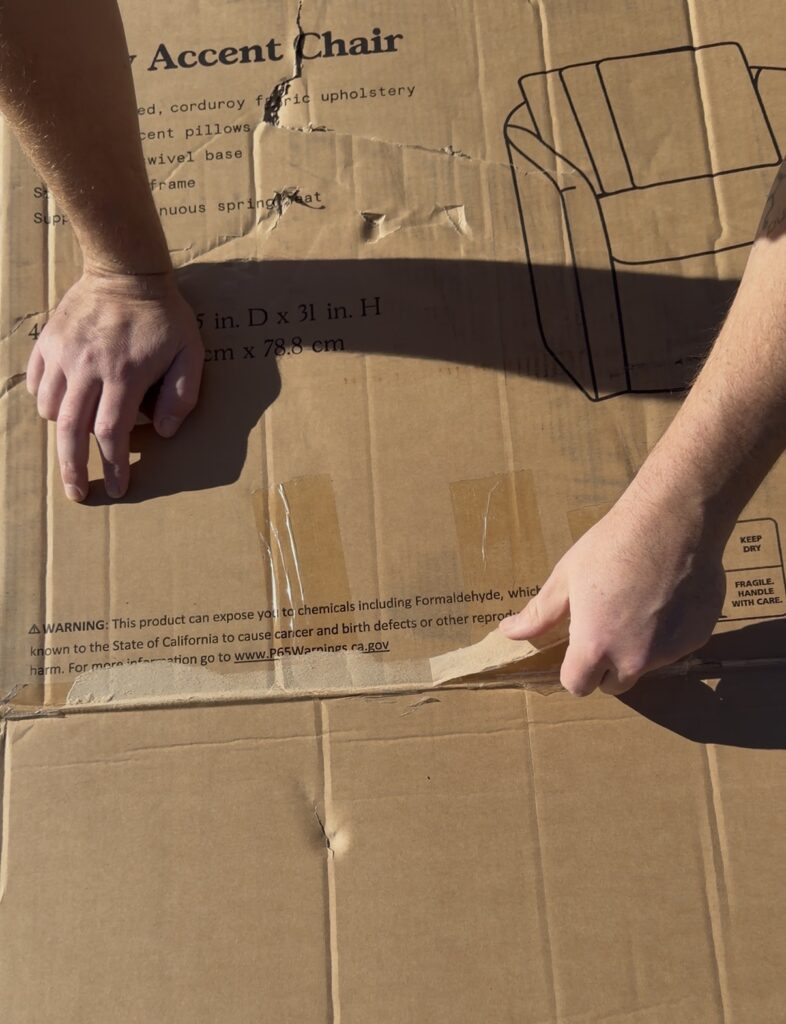
2. Prep the cardboard
Remove all tape, stickers, and staples from cardboard – they will not break down in the soil due to the adhesive and plastic! Prioritize cardboard without a lot of dye or ink. Avoid glossy, plasticized, or heavily waxed cardboard. Cut the cardboard as needed.
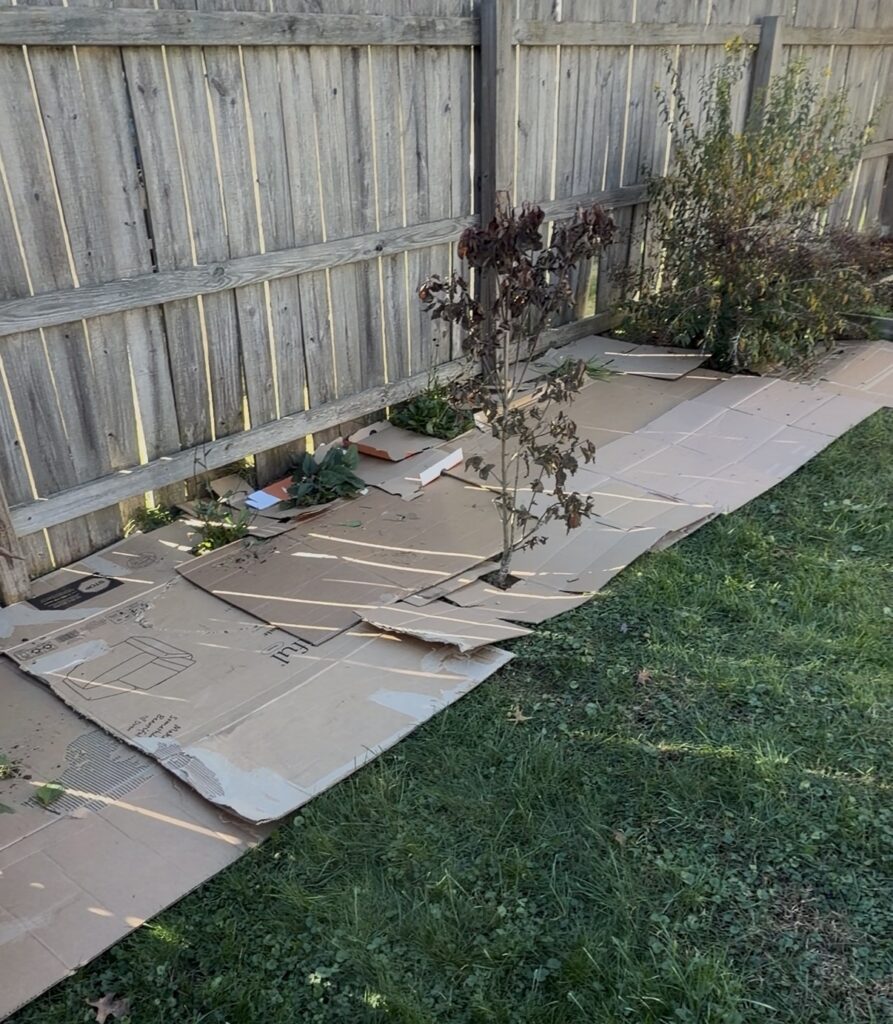
3. Place the cardboard
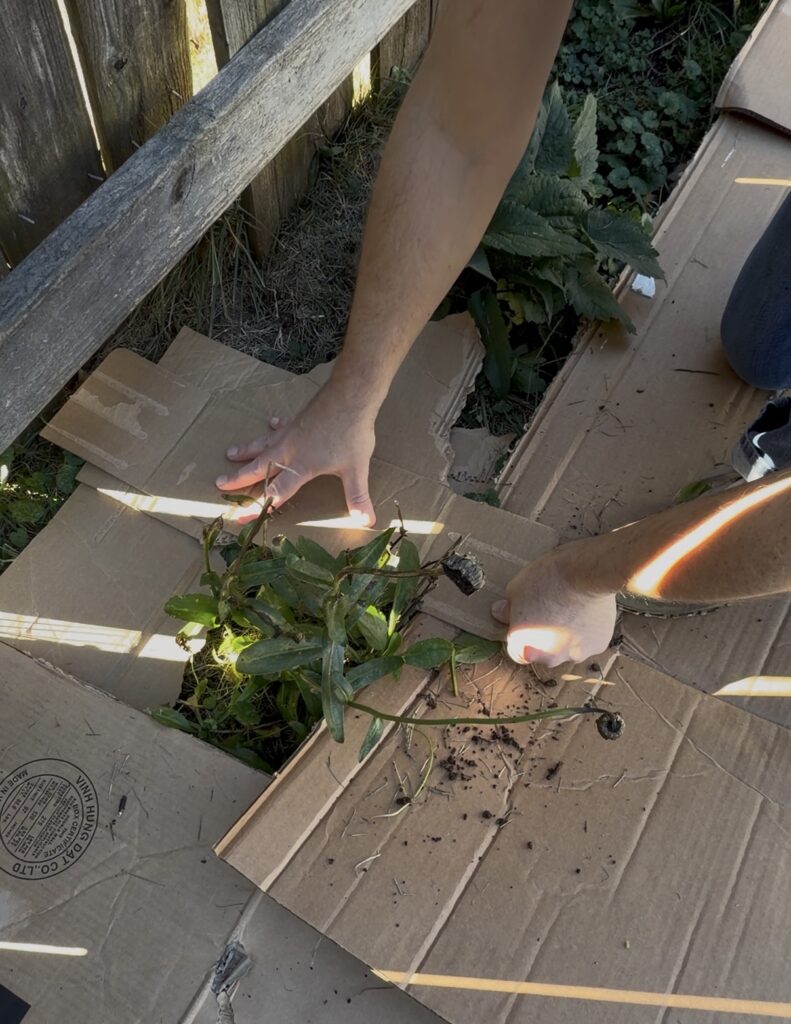
Cover the ground with a thick layer of cardboard. Make sure the edges overlap by at least 6 to 8 inches so weeds cannot poke through. You can also border your pre-existing plants with cardboard.
4. Soak the cardboard layer thoroughly
Watering the cardboard helps it flatten and break down easier.
5. Add soil, compost and/or mulch
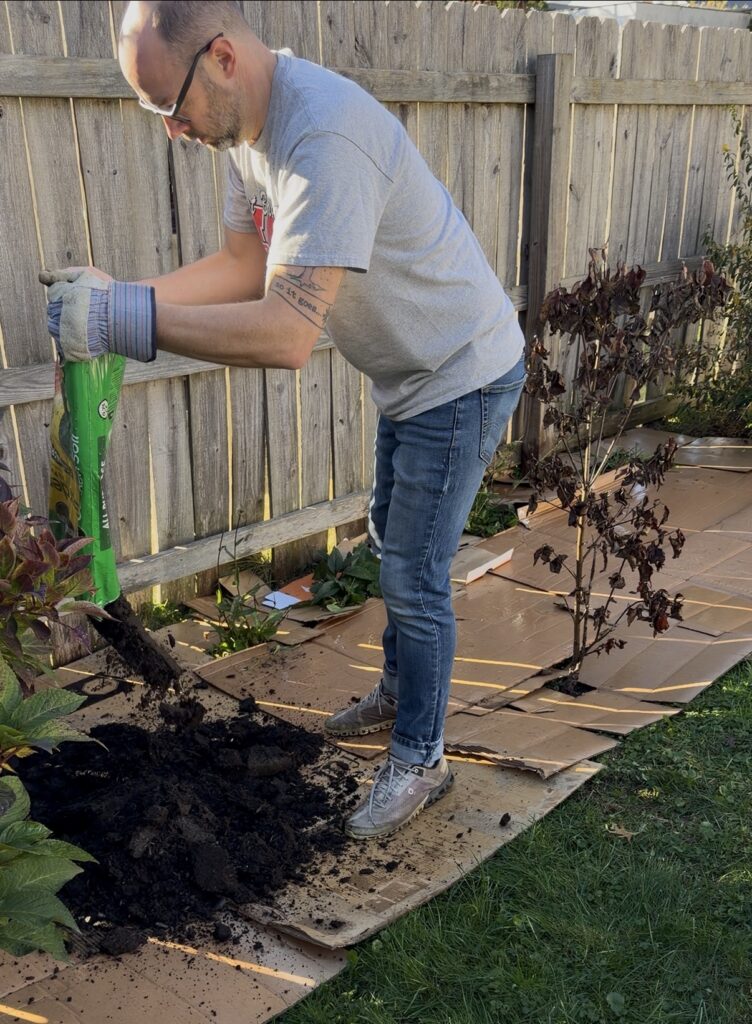
Apply 2-3 inches of soil or compost for future planting, or just mulch for weed suppression. Keep the area moist while it breaks down.
What is the difference between sheet mulching and solarizing? Solarizing uses plastic sheeting to cook the surface area and kill weeds and grass. The plastic must then be removed, whereas in sheet mulching the cardboard will break down into the soil and provide nutrients.
Can I plant in the soil right away? Ideally waiting about 6 months is best to let the layer of cardboard fully decompose into the soil. If you prefer to plant right away, we recommend using a thicker layer of soil, or cutting holes in the cardboard for the new plants.
Can I use a weed barrier instead of cardboard? It’s important to avoid synthetic weed fabrics, which damage soil health, fail to stop weeds long-term, and degrade into environmental pollutants. Cardboard is a far more effective (and cheaper!) alternative.
Let us know if you try sheet mulching or any other sustainable landscaping practice!